
Massaranduba decking boards 21 x 145 mm
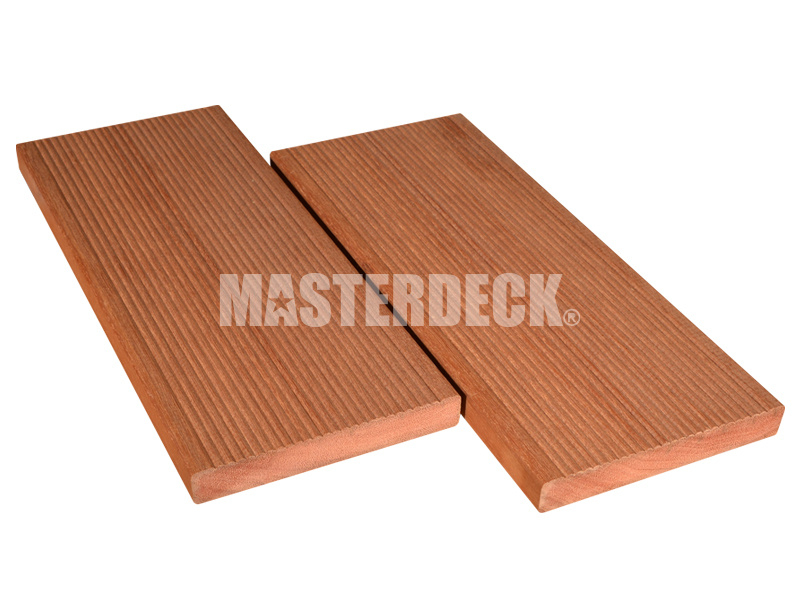
Massaranduba wooden decking,
dimensions: 21 x 145 x 1800–5700 mm,
profile: 24, finely grooved / smooth

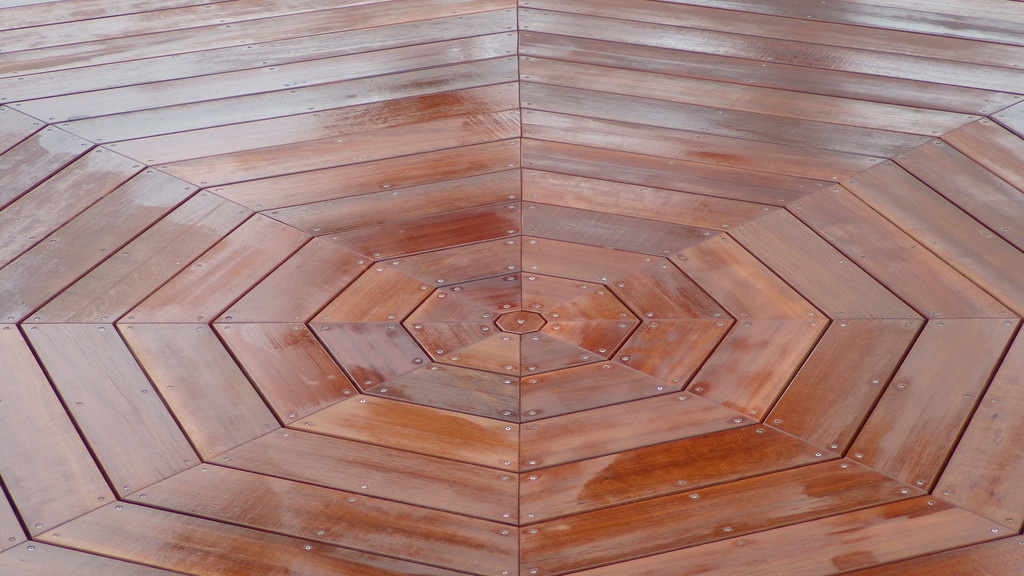


Detailed Description

Masterdeck Massaranduba decking
Wood species: Massaranduba
Botanical name: Manilkara bidentara
Origin: South America
Dimensions: 21x145x1800–5700 mm
Weight: 1000–1200 kg/1m³
Durability class according to EN350: 1–2
Certification of legal origin: EUTR
Finish: KD
kiln-dried Intended use: outdoor decking boards
Packaging: sold individually
Profile: 24 grooves / smooth
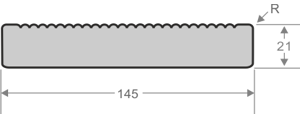
Specification points
About massaranduba timber
Massaranduba is a very hard and heavy timber with high strength and durability. It is a globally recognised timber, very frequently used specifically for outdoor decking. Colour leaching occurs to a lesser extent.
Colour
Brick-red, yellowish-red with various shades; darkens over time. Colour variations between individual decking boards are natural and to be expected. When exposed to the air, the wood turns grey due to UV radiation; exposure to moisture or airborne dirt causes the surface to take on a darker shade. The rate at which the wood weathers depends on the method of treatment, the local climate, and the extent to which individual planks are exposed to rain and other weather conditions.
Substance content
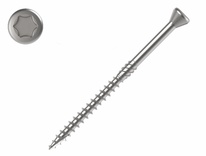
As with other tropical woods, this timber exhibits an initial leaching of colour in the form of a dark liquid. Prevent the leached pigment from coming into contact with plaster, bricks or any surfaces that could be stained. Ensure rainwater is drained away via a pipework system or the mains drainage system if installation is carried out on upper floors or balconies. Use only stainless steel screws for installation and prevent the wood from coming into contact with corrosive metals, which cause blue-black stains on the wood.
Properties
Moderate degree of dimensional change in the timber, low degree of warping, minor growth defects, slight splintering. Cracks may form due to climatic conditions. It is necessary to pre-drill holes for the screws. Wood exposed to outdoor climatic conditions changes in volume, shrinking or expanding in response to changes in the climate. There may be slight variations in width between individual planks, due to differences in the expansion of the timber as moisture levels equalise between the radial and tangential growth rings. Wood exposed to outdoor weather conditions may develop cracks, sagging (known as ‘troughing’), warping and twisting, cracks and fissures – particularly at the ends of the planks due to shrinkage, which varies depending on relative humidity or changes in climatic conditions – and small holes caused by wood-boring insects. If you wish to restore the wood’s original colour, use Saicos grey remover in accordance with the technical data sheet. Then treat the surface with a suitable protective oil-based finish.
Knots and other natural features of the wood
Knots and eyes, whether healthy or partially fused, cracks around knots, medullary streaks, resin ducts, marbling and other natural characteristics are an integral part of the wood. Although tropical timber species in particular usually have a low number of knots, the presence and occurrence of the above-mentioned characteristics is permitted.
Storage
When storing timber prior to and during installation, ensure that it is not exposed to direct sunlight, rain, snow or other external influences. It should be well covered or, ideally, stored in covered, unheated areas, with relative humidity levels matching those of
the outdoor environment. At the same time, ensure that the timber is adequately spaced with spacers to allow for air ventilation and prevent the formation of mould. Failure to follow these recommendations may result in warping, deformation or other changes to the timber during storage.
Care
Clean the decking regularly to remove dirt, soil, deposits and pollen. This will prevent dirt from penetrating the wood’s macropores. Water and moisture accumulate beneath objects placed on the decking, such as parasol stands, plant pots, bowls and mats, preventing the wood from drying out quickly and naturally. Stains may form beneath these items due to prolonged exposure to damp and dirt. You should therefore move these items around on the decking from time to time, or ensure that the area beneath them is allowed to dry out naturally and is well ventilated. This will prevent dark stains from forming on the wood. You can find more information on caring for wooden decking here.
Download

Demand
We will show you our products before purchase in our warehouse. Wood is a natural material, each piece is a unique original. The supplied wood will be different from the displayed photos and samples.
Call us on +420 220 879 443
Payment options:
- Cash or a card at the store
- Cash on delivery (you pay when picking up the goods to the courier in the Czech area only )
- By bank transfer (we will send the goods immediately after the amount has been credited to our account)